




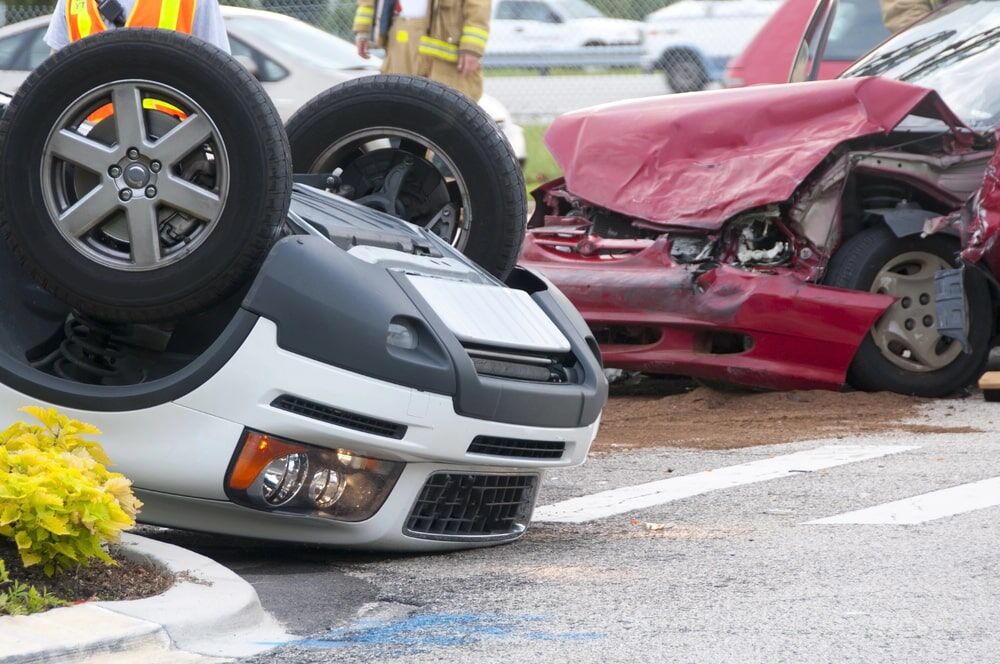
When a car accident happens, the aftermath often brings stress, questions, and financial concerns. Injuries, vehicle damage, and time missed from work can create lasting problems for everyone involved. The legal system provides ways for injured drivers, passengers, and pedestrians to seek recovery, but each case depends on specific facts.
Car accident law sets the framework for how liability is decided, what damages can be recovered, and how insurance companies must respond. In most cases, responsibility is linked to negligence, meaning a driver failed to exercise reasonable care. Proving this often requires evidence like witness accounts, police reports, or photos from the scene. Below, our friends at Polchinski & Smith talk about how important it is to understand the basics of liability and the way fault is determined. Knowing these details helps us see where claims begin and how they may move forward.
Factors That Influence Liability
Liability in car accident cases is not always straightforward. Some crashes are caused by clear acts of negligence, such as running a red light or texting while driving. Others involve more complicated situations, including multiple vehicles or hazardous road conditions. Insurance companies look closely at the facts, and state law plays a major part in how much compensation may be available. For example, some states follow comparative negligence rules, where damages are reduced if the injured person is also partly at fault. Other states may follow different systems that limit recovery in specific ways. We also need to think about additional factors like alcohol use, reckless driving, or defective auto parts. Each of these can change how responsibility is shared and what types of claims may be filed.
Damages That May Be Recovered
The purpose of a car accident claim is to help the injured person recover losses. These losses can include medical bills, repair costs, and lost wages. In some cases, there may also be non-economic damages, such as pain and suffering or reduced quality of life. Calculating these damages requires careful review of both current and future needs. For example, a person who suffers a serious back injury may face years of therapy and long-term job limitations. Those costs should be considered alongside immediate hospital bills.
An experienced legal team guides individuals through the process of filing a claim and responding to insurance company disputes. Legal guidance from a car accident lawyer is especially important when cases involve disputed liability, severe injuries, or questions about coverage limits. Attorneys often work with investigators, medical providers, and accident reconstruction professionals to build evidence. They can also handle communications with insurers, which reduces the pressure on those recovering from injuries. In some situations, cases may settle outside of court, but if an agreement cannot be reached, litigation may be necessary.
Looking Ahead After An Accident
Car accident law is designed to balance accountability, fairness, and recovery. While every accident is unique, the process always centers on proving responsibility and calculating damages. Those injured in a crash benefit from having access to resources that protect their rights and guide them through a difficult time. By working with professionals in this area, recovery becomes less overwhelming and more structured. For those seeking further insight into these matters, Patterson Bray PLLC provides information that reflects the needs of clients dealing with car accident claims.


