




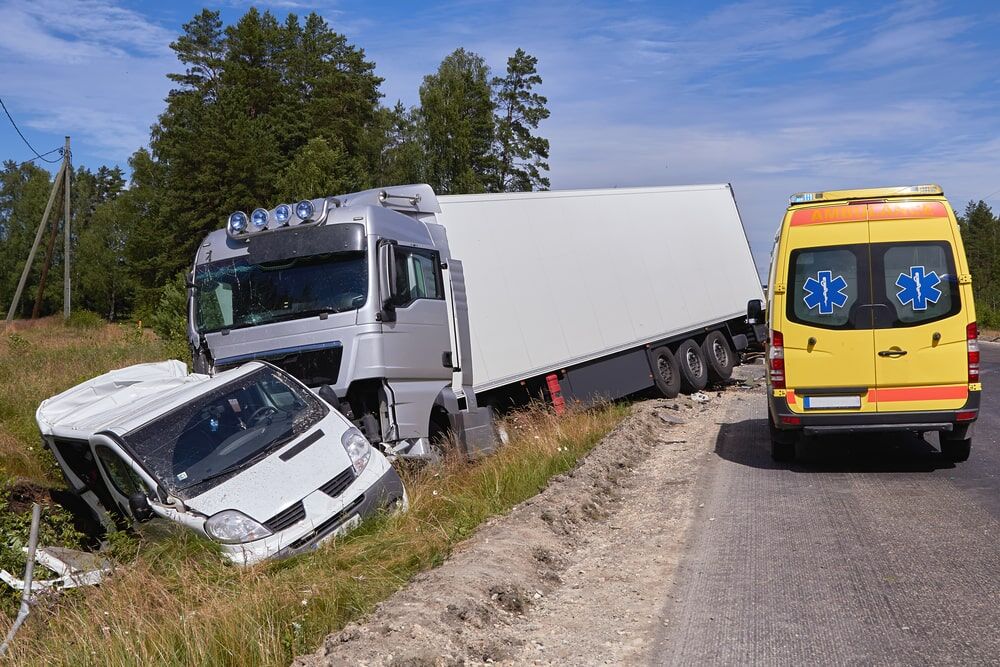
Getting hit by an uninsured driver turns a bad situation into a financial nightmare. You’re injured through no fault of your own, facing medical bills and lost wages, but there’s no insurance company to file a claim against. This scenario happens more often than you might think, and knowing your options can prevent financial devastation.
Our friends at Law Offices of David A. DiBrigida discuss how uninsured motorist accidents require a different approach to recovering compensation. A truck accident lawyer can identify all available coverage sources and help you maximize recovery when the at-fault driver has no insurance.
Check Your Own Insurance First
The most immediate solution often sits in your own insurance policy. Uninsured motorist coverage (UM) exists specifically for this situation. If you purchased this coverage, your own insurance company will pay for your injuries and damages up to your policy limits.
Many people don’t realize they have uninsured motorist coverage because they’ve never needed it. Pull out your insurance policy or call your agent to confirm what coverage you carry. This protection can save you from financial ruin when an uninsured driver causes an accident.
Underinsured motorist coverage (UIM) works similarly but applies when the at-fault driver has insurance that doesn’t cover all your damages. Both types of coverage turn your own insurance company into the source of compensation when the responsible party can’t or won’t pay.
Understanding Your Uninsured Motorist Coverage
UM coverage typically mirrors your liability coverage amounts. If you carry $100,000 in liability coverage, you likely have $100,000 in uninsured motorist protection unless you specifically declined it or chose different limits.
Some states require insurance companies to offer this coverage, while others make it mandatory. The rules vary significantly by location, affecting both whether you have coverage and how much protection you purchased.
Filing a claim under your UM coverage shouldn’t increase your premiums. You’re not at fault for the accident, and you’re using coverage you paid for specifically because someone else lacked proper insurance. However, some insurance companies try to treat UM claims like at-fault accidents when setting future rates.
Medical Payments Coverage Can Help Immediately
MedPay or medical payments coverage pays your medical bills regardless of who caused the accident. This coverage doesn’t require proving fault or waiting for investigation results. It simply reimburses your medical expenses up to your policy limit.
MedPay limits are usually lower than UM coverage, often ranging from $1,000 to $10,000. But this money becomes available quickly and can cover immediate expenses while you pursue other compensation sources.
Unlike health insurance, MedPay typically doesn’t require copays or deductibles. It pays directly for accident-related medical treatment, making it valuable even when you have health insurance.
Using Your Health Insurance
Your health insurance should cover accident-related injuries just like any other medical condition. Many people hesitate to use health insurance after accidents, thinking they should wait for the at-fault party’s insurance to pay. When that party has no insurance, this hesitation leaves you with unpaid medical bills.
Submit your medical claims to your health insurer immediately. Getting treatment and establishing the bills in your name prevents collection actions and maintains your credit while you pursue compensation through other means.
Your health insurance company might assert a subrogation lien, meaning they want repayment if you later recover money from another source. This lien is negotiable and usually gets reduced significantly if you do recover compensation.
Personal Injury Protection In No-Fault States
If you live in a no-fault insurance state, your Personal Injury Protection (PIP) coverage pays your medical bills and lost wages regardless of who caused the accident. PIP activates automatically after accidents and provides relatively quick payment for your expenses.
No-fault states limit your ability to sue the at-fault driver, but when that driver is uninsured, you might still have options to pursue additional compensation beyond PIP benefits for serious injuries that meet your state’s lawsuit threshold.
Payment Plans With Medical Providers
Many healthcare providers offer payment plans for accident victims, especially when insurance issues create delays. Hospitals, doctors, and physical therapy clinics often prefer setting up manageable monthly payments over sending accounts to collections.
Contact your medical providers as soon as you realize payment will be delayed. Explain the situation and ask about payment plan options. Most billing departments work with patients who communicate proactively rather than ignoring bills.
When negotiating payment plans:
- Be honest about your financial situation
- Offer what you can realistically afford monthly
- Get any agreement in writing
- Make payments consistently to avoid default
Don’t ignore medical bills hoping they’ll disappear. Unpaid medical debt damages your credit and can result in lawsuits from providers seeking payment.
Attorneys Working On Contingency For Medical Bills
Some medical providers, particularly those experienced with injury cases, work on a lien basis. They provide treatment with the understanding that payment will come from your eventual settlement or recovery.
This arrangement allows you to receive necessary medical care without upfront payment. The provider agrees to wait for compensation until your case resolves, then gets paid from your recovery.
Letter of protection arrangements work similarly, with your attorney guaranteeing payment to medical providers from any settlement or judgment you receive. This opens access to treatment when you lack other payment options.
Pursuing The Uninsured Driver Directly
You can sue an uninsured driver personally for your damages. Winning a judgment gives you legal rights to collect from their assets, wages, or future earnings. The practical challenge is that people without insurance often lack significant assets to collect against.
Before investing time and money in a lawsuit against an uninsured defendant, investigate whether they have assets worth pursuing. Owning property, having stable employment, or possessing other valuable assets makes collection more feasible.
Some states suspend the driver’s license of uninsured at-fault drivers and only reinstate it after they pay the judgment against them. This motivates some defendants to negotiate payment plans to regain driving privileges.
State Victim Compensation Funds
Many states maintain victim compensation funds that pay for crime-related losses. If the uninsured driver was committing a crime when they hit you, such as driving while intoxicated or fleeing police, you might qualify for compensation from your state’s victim fund.
These programs typically cover medical expenses, lost wages, and sometimes counseling costs. They’re not designed to make you whole but provide a safety net when other sources of compensation aren’t available.
Application processes and eligibility requirements vary by state. Most funds have maximum payment limits and specific deadlines for applying after the incident.
Protecting Your Credit During The Process
Medical debt from accidents can destroy your credit if not handled carefully. Communicate with creditors, explain your situation, and document all your efforts to resolve the debt.
Request that medical providers delay reporting to credit bureaus while you’re actively working to resolve payment. Many will agree to a reasonable waiting period if you’re making good faith efforts.
If accounts do go to collections, you have rights under the Fair Debt Collection Practices Act. Collectors must follow specific rules about contact, and you can negotiate settlements for less than the full amount owed.
Why Professional Guidance Matters
Handling an uninsured motorist accident involves complicated insurance policy interpretation, understanding multiple potential sources of compensation, and knowing which options to pursue in what order. The wrong sequence can reduce your total recovery or leave money on the table.
If you’ve been injured by an uninsured driver and are facing mounting medical bills without clear payment options, reach out to discuss your situation and learn how to access all available compensation sources while protecting your financial future.


