




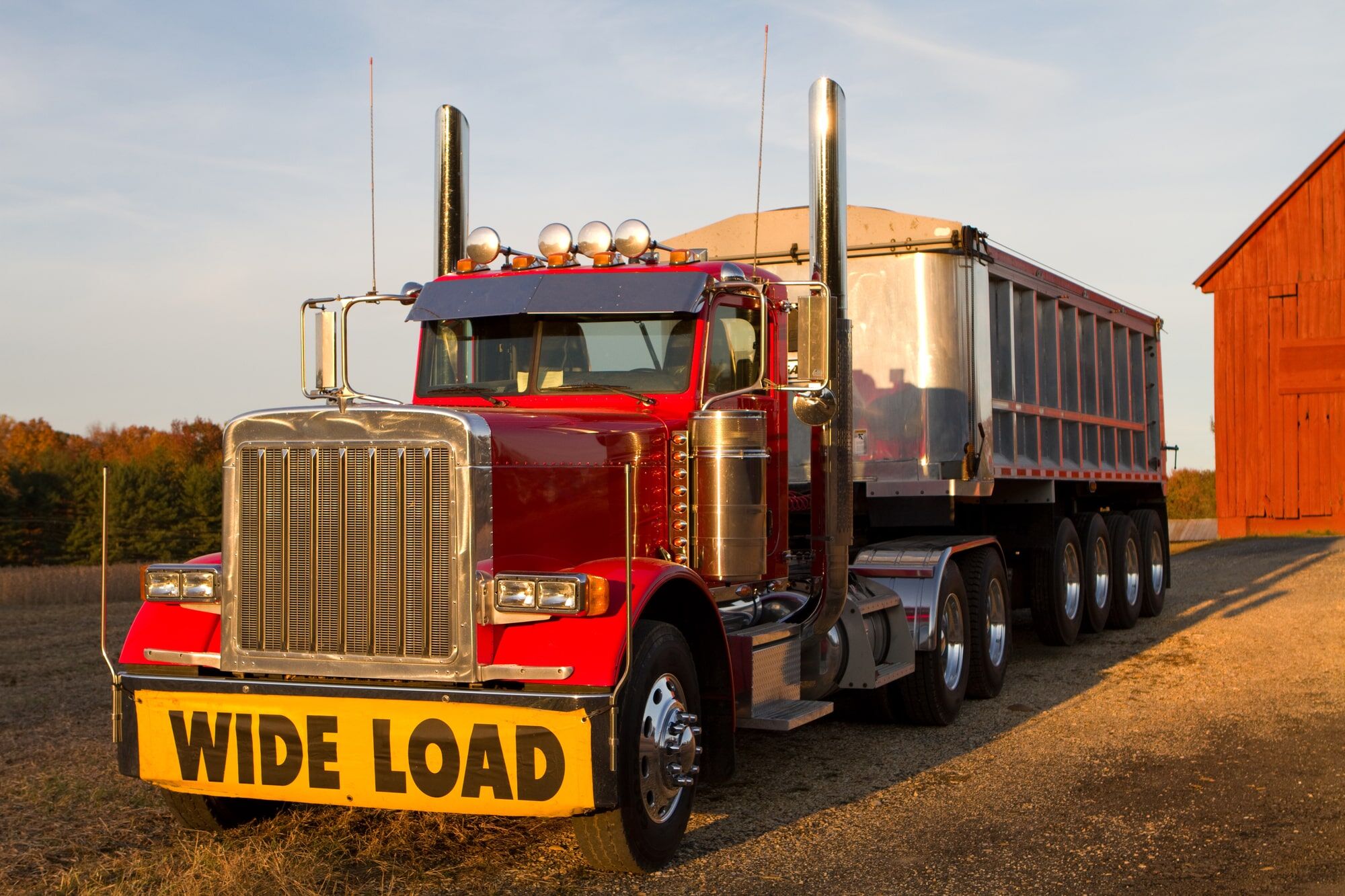
A U-Haul truck just ran a red light and crashed into your car, causing serious injuries and significant vehicle damage. The driver admits fault, but when you try to file a claim, you discover the situation is more complicated than a typical car accident. The driver’s personal auto insurance denies coverage, the rental company points to the renter’s responsibility, and you’re stuck trying to figure out who actually pays for your damages.
Rental truck accidents create unique liability and insurance issues because responsibility is split between the person who rented the truck and the company that owns it. Understanding which insurance policies apply and when rental companies themselves can be held liable determines your ability to recover full compensation. Our friends at Acadia Law Group PC discuss how rental agreements often shift responsibility to renters while limiting company liability. A truck accident lawyer who handles rental vehicle cases knows how to identify all available insurance coverage and determine when rental companies bear direct responsibility for accidents their trucks cause.
The Renter’s Primary Liability
The person driving the rental truck when the accident occurred is primarily liable for damages if their negligence caused the collision. This works the same as any car accident where the at-fault driver owes compensation to injured parties.
The complication is that the renter’s personal auto insurance often doesn’t cover rental trucks. Most personal policies exclude vehicles over a certain weight limit or vehicles rented for moving purposes. Standard auto policies are designed to cover personal cars, not commercial trucks.
Check the renter’s personal auto insurance first, but prepare for denial. If their policy does cover rental trucks, that insurance provides your initial source of compensation. If not, you need to look at other coverage options.
Rental Company Insurance Programs
U-Haul, Penske, Budget, and other rental truck companies offer optional insurance to renters. This supplemental coverage, often called a damage waiver or collision damage waiver, provides liability protection for the renter and potentially covers injuries they cause to others.
However, renters frequently decline this coverage to save money. According to industry practices, many people renting trucks believe their personal auto insurance will cover them or simply don’t think they need additional protection for a short rental period.
When renters purchased the rental company’s insurance, you have a clear coverage source. The rental company’s policy should pay your claim up to policy limits. When renters declined coverage, you face a more difficult situation trying to recover compensation.
Credit Card Rental Coverage Limitations
Some credit cards provide automatic rental car coverage when you use the card to pay for the rental. Many people assume this coverage extends to rental trucks, but it typically doesn’t.
Credit card rental coverage generally excludes trucks, cargo vans, and vehicles over a certain size. The coverage is designed for passenger cars and small SUVs, not moving trucks. Even if the renter paid with a credit card thinking they had coverage, that protection probably doesn’t apply to the U-Haul or Penske truck they rented.
This creates a significant coverage gap. The renter believed they had insurance through their credit card, declined the rental company’s coverage, and only discovers after an accident that no insurance protects you from their negligence.
When Rental Companies Can Be Held Liable
Beyond insurance issues, rental companies themselves can face direct liability in certain circumstances. These claims proceed under different theories than simply holding the driver responsible.
Negligent Entrustment
Rental companies have duties not to rent vehicles to drivers they know or should know are unfit. If U-Haul rents a large truck to someone without a valid driver’s license, with obvious signs of intoxication, or with a driving record showing they’re incompetent, the company can be liable for negligent entrustment.
Proving negligent entrustment requires showing the rental company knew about the driver’s unfitness. This information might exist in the rental company’s records if they checked driving history, or in employee observations documented at the rental location.
Vehicle Defects and Maintenance Failures
Rental companies must maintain vehicles in safe operating condition. When accidents result from brake failures, tire blowouts, steering malfunctions, or other mechanical problems that proper maintenance would have prevented, the rental company faces product liability or negligence claims.
These cases require proving the mechanical failure caused the accident and that the rental company knew or should have known about the defect through reasonable inspection and maintenance programs. Maintenance records become important evidence showing whether the company properly serviced vehicles.
Improper Training or Instructions
Large rental trucks handle differently than passenger cars. They have larger blind spots, longer stopping distances, and wider turning radii. If rental companies fail to provide adequate instruction to first-time truck renters, and this lack of instruction contributes to accidents, they might share liability.
This theory applies most strongly when renters have never driven large trucks before and the rental company provided no orientation or training despite knowing the renter’s inexperience.
The Graves Amendment And Its Limitations
Federal law, specifically the Graves Amendment, generally protects rental companies from vicarious liability for accidents caused by renters. This law states that rental companies aren’t liable simply because they own the vehicle, provided they weren’t otherwise negligent.
The Graves Amendment doesn’t protect rental companies when they were directly negligent through improper maintenance, negligent entrustment, or other company failures. It only prevents holding them liable solely based on vehicle ownership.
Some states have laws that override or modify the Graves Amendment protections. New York, for example, maintains rental company liability under certain circumstances despite federal law. Understanding your state’s specific rules determines whether the rental company can be held liable beyond the direct negligence theories.
Uninsured Motorist Coverage
Your own uninsured motorist coverage under your auto policy can provide compensation when the at-fault rental truck driver has no insurance. UM coverage exists specifically for situations where negligent drivers can’t pay for damages they cause.
Not all states require UM coverage, and not all drivers purchase it. If you have this coverage, file a claim with your own insurance company explaining that the rental truck driver was uninsured or underinsured. Your policy will pay up to your UM limits, minus any amounts you recovered from other sources.
Some policies have specific provisions about how UM coverage applies to accidents with rental vehicles. Review your policy language or have your attorney examine it to understand your coverage.
Determining What Insurance Applies
Figuring out which insurance policies cover your claim requires investigating several sources:
- The renter’s personal auto insurance
- The rental company’s supplemental insurance if purchased
- The credit card coverage if applicable
- The rental company’s own commercial liability policy
- Your uninsured/underinsured motorist coverage
Start by obtaining the rental agreement, which documents what insurance the renter purchased. Get the renter’s personal insurance information from the police report or through discovery. Contact the rental company about their insurance policies.
Multiple policies might provide coverage, creating coordination of benefits issues. Or no policies might cover the accident, leaving you to pursue the renter’s personal assets or make UM claims against your own policy.
Recovery From Uninsured Renters
If the renter who caused your accident has no applicable insurance coverage, you can pursue their personal assets through lawsuit and judgment. The problem is that most people renting trucks for moving purposes don’t have significant assets.
They might be young adults moving to first apartments. They could be people in financial distress relocating to cheaper housing. These demographics typically don’t have substantial assets beyond basic personal property.
Obtaining a judgment against an uninsured renter with no assets provides little practical value. The judgment exists, but collecting meaningful money from someone with no income or property is nearly impossible.
Rental Company Insurance Policies
Rental truck companies carry commercial general liability insurance for their business operations. These policies might cover accidents in certain circumstances, particularly when company negligence contributed to the accident.
However, these policies typically have provisions limiting coverage for accidents caused by renters. The rental agreement transfers responsibility to renters, and the company’s insurance only responds when direct company negligence is proven.
Accessing these commercial policies requires establishing rental company liability through one of the direct negligence theories like improper maintenance or negligent entrustment. Simply showing the renter caused an accident while driving a rental truck isn’t sufficient to trigger the rental company’s commercial liability coverage.
Common Rental Truck Accidents
Understanding how these accidents typically occur helps identify potential liability theories and coverage sources.
Backing Accidents
Rental trucks have limited visibility when backing. Inexperienced drivers who rarely operate large vehicles frequently back into cars, pedestrians, or structures. If the rental company failed to ensure backup cameras were working or didn’t instruct the renter about blind spots, company negligence might contribute.
Bridge Strikes
Renters unfamiliar with their truck’s height sometimes strike low bridges or overpasses. While driver error is the primary cause, if the rental company provided inaccurate height information or failed to post proper warnings inside the truck, they might share liability.
Brake Failures
Large trucks require properly maintained braking systems. When rental trucks experience brake failures due to deferred maintenance, worn components, or inadequate inspection, the rental company’s negligence caused or contributed to the accident.
Tire Blowouts
Rental truck companies must inspect tires and replace worn or damaged ones. Blowouts from bald tires, improper inflation, or defective tires create company liability when accidents result.
Special Considerations For Commercial Moves
When businesses rather than individuals rent trucks, different insurance and liability rules might apply. Commercial entities typically carry commercial general liability or commercial auto policies that could cover rental truck accidents.
Business renters also face different standards for negligent entrustment. If a company rented a truck and assigned an employee with a poor driving record to operate it, both the rental company and the business might face liability.
Time Limits On Filing Claims
Statutes of limitations for rental truck accident claims are typically the same as standard car accident claims in your state, usually two to three years. However, claims against rental companies for negligent maintenance or other direct negligence might have different deadlines.
Filing insurance claims should happen promptly regardless of limitations periods. Insurance policies often require notice of accidents within days or weeks. Delay in reporting can jeopardize coverage even if your legal claim isn’t time-barred yet.
Documentation You Need
Building strong claims against rental truck drivers and potentially rental companies requires specific evidence. Obtain the rental agreement showing who rented the truck and what insurance they purchased. Get maintenance records for the vehicle if mechanical failure contributed. Document the driver’s license status and any rental company screening failures.
Photograph the rental truck showing company branding, vehicle identification numbers, and any visible defects or damage. This documentation proves which company owned the vehicle and establishes its condition.
Accidents with rental trucks from U-Haul, Penske, Budget, and other companies create complicated insurance and liability questions because renters often lack adequate coverage, rental companies structure agreements to limit their responsibility, and multiple potential insurance sources might apply or might all exclude coverage, leaving you to pursue the at-fault renter’s personal assets or your own uninsured motorist coverage while also investigating whether rental company negligence in maintenance, entrustment, or training contributed to the accident in ways that establish direct company liability despite federal protections designed to shield rental businesses from vicarious responsibility.


