


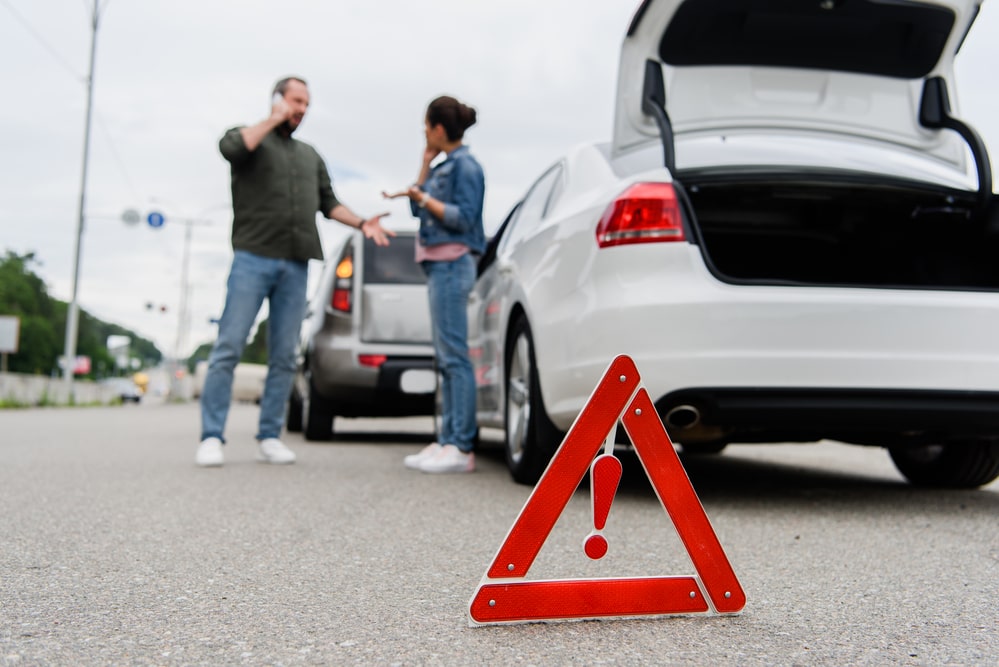
The holiday season is one of the most joyful times of the year — but it’s also one of the most dangerous for drivers. With millions of people hitting the road for family gatherings, shopping trips, and winter vacations, crash risks climb sharply. Congested highways, unpredictable weather, impaired driving, and fatigued travelers all make the roads far more hazardous from late November through early January.
Understanding the risks — and how to reduce them — is critical for keeping families safe. Below, our friends at KBD Attorneys discuss how to prevent car crashes during the holiday season.
Why Holiday Travel Is So Dangerous
1. Heavier Traffic And Longer Travel Distances
The holidays bring a massive spike in travel. Many drivers who rarely take long trips suddenly find themselves on crowded highways for hours at a time. Increased congestion leads to:
- Sudden braking
- Road rage incidents
- Higher likelihood of rear-end collisions
- More multi-vehicle crashes
Long-distance travel also increases driver fatigue, which is one of the most underestimated risks.
2. Fatigued Driving: A Silent But Deadly Threat
Holiday schedules are packed, and many travelers start their journeys early in the morning or late at night. Fatigue affects the brain the same way alcohol does — slowing reaction times and impairing judgment.
Car accident lawyers know that drivers who are overly tired may drift between lanes, miss critical cues, fall asleep at the wheel, or react too slowly to avoid hazards. Fatigue is especially dangerous during long highway stretches when monotony sets in and visibility is low.
3. DUI Crashes Spike During The Holidays
Alcohol-related crashes significantly increase during holiday celebrations, especially:
- Thanksgiving
- Christmas Eve and Christmas Day
- New Year’s Eve
- New Year’s Day
Impaired drivers may have slower reflexes, reduced coordination, and difficulty judging speed or distance — all of which contribute to severe, often fatal collisions.
Substance-impaired driving doesn’t only include alcohol. During the holidays, prescription medications, recreational drugs, and mixing substances can also impair driving ability and increase crash risks.
4. Increased Truck Traffic
The holidays are peak season for shipping companies, meaning more commercial trucks on the road. This can lead to:
- Congested interstates
- Higher risk of underride crashes
- Hazards from improperly loaded cargo
- Longer stopping distances for large trucks
Passenger vehicles are at a serious disadvantage in truck collisions due to size and weight differences.
5. Winter Weather Adds Another Layer Of Danger
In many regions, winter storms coincide with holiday travel. Even without snow, lower temperatures can create:
- Black ice
- Reduced tire traction
- Extended braking distances
- Poor visibility from fog, rain, or frost
When bad weather combines with heavy traffic, the likelihood of serious crashes grows dramatically.
Holiday Travel Safety Tips
To stay safe on the road this holiday season, specialists recommend:
- Get plenty of rest before starting long trips
- Avoid driving during peak drinking hours
- Designate a sober driver or use rideshare services
- Slow down and increase following distance
- Check your vehicle (tires, brakes, lights, windshield wipers)
- Plan for delays and avoid rushed decisions
- Watch for trucks and stay out of blind spots
- Pull over immediately if you feel drowsy
Even the safest drivers can be involved in accidents when others behave carelessly, so staying alert and defensive is essential.
Your Rights After A Holiday Crash
Accidents during holiday travel often involve complex factors — impaired drivers, commercial vehicles, weather, mechanical failures, or negligent behavior. Injured individuals may be entitled to compensation for medical bills, lost income, pain and suffering, and property damage.
Holiday celebrations should be memorable for the right reasons. Staying alert, planning ahead, and avoiding impaired or fatigued driving can dramatically reduce the risk of a crash. If an accident does occur, knowing your legal options can help protect your future and support your recovery.



