


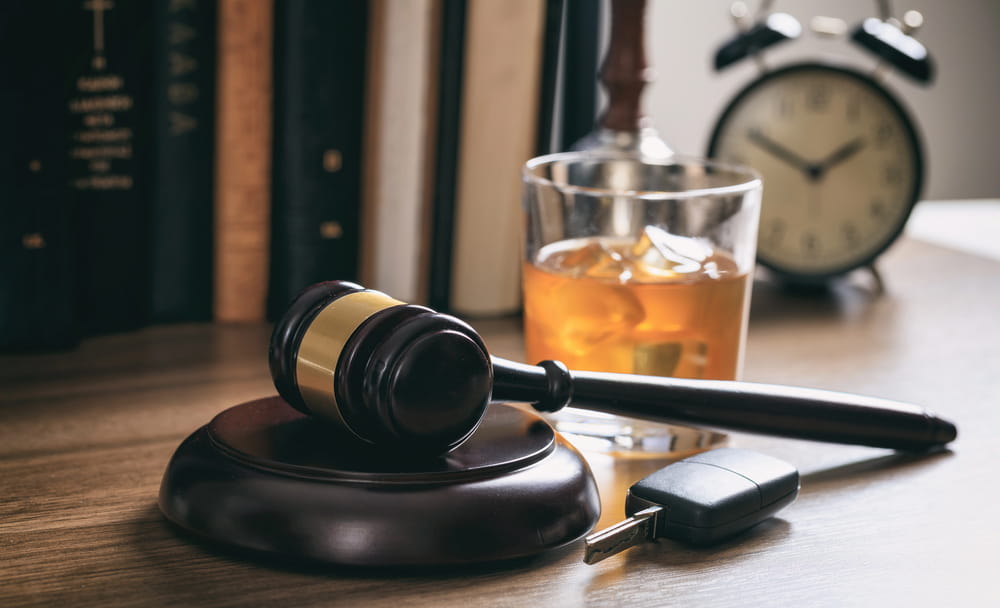
Not all car accident claims follow the same path. When the at-fault driver was impaired by alcohol or drugs, the legal dynamics shift in ways that affect the investigation, the available damages, how insurers respond, and how cases ultimately resolve. The differences begin at the scene and continue through every stage of the claims process.
When a driver is arrested for DUI after a crash, a parallel criminal case begins alongside any civil injury claim. The evidence gathered in that proceeding, including blood alcohol content results, field sobriety test records, toxicology reports, and officer observations at the scene, is often directly useful in the civil case. A DUI conviction or guilty plea is powerful evidence in a civil proceeding because it establishes that the driver was impaired and operating a vehicle unlawfully at the time of the crash.
Polchinski & Smith Personal Injury Lawyers handles DUI accident cases throughout Oklahoma City and understands how to build civil injury claims that reflect the full weight of what impaired driving causes.
Punitive Damages Are Available in Oklahoma DUI Cases
In a standard car accident claim, available damages are compensatory: medical expenses, lost wages, pain and suffering, and property damage. When the at-fault driver was impaired, Oklahoma law opens the door to punitive damages as well.
Under 23 O.S. § 9.1, punitive damages may be awarded when a defendant acted with reckless disregard for the rights of others. Choosing to drive while intoxicated has consistently been recognized by Oklahoma courts as conduct meeting that standard. Punitive damages are separate from and in addition to compensatory damages and can substantially increase the total recovery available to an injured victim.
An Oklahoma City DUI accident lawyer can evaluate punitive damage exposure early in the case and build a claim that accounts for both compensatory and punitive categories from the start.
How Insurers Handle DUI Claims Differently
A standard car accident claim is primarily a liability and damages dispute. A DUI accident claim carries added complexity for insurers because of the punitive damage exposure and the evidentiary weight of the criminal record. Some auto policies contain exclusions that limit coverage in cases involving criminal conduct, and identifying what coverage is actually available requires careful policy analysis at the outset of the claim.
The evidentiary timeline also differs from a standard crash. BAC results, dashcam footage from police vehicles, and witness accounts gathered by law enforcement are part of the criminal record before a civil attorney is typically retained. Requesting and preserving that evidence early, before records become unavailable, makes a meaningful difference in how the civil case develops:
- Blood alcohol content test results and toxicology reports
- Field sobriety test documentation and officer body camera footage
- Police dashcam footage from the scene and surrounding area
- Witness statements gathered by law enforcement at the time of the crash
- Any prior DUI history that may be relevant to a punitive damage claim
Acting Early Matters in DUI Accident Cases
Criminal proceedings move on their own timeline and can produce evidence that strengthens a parallel civil claim, but only if someone is actively monitoring and obtaining that evidence as it becomes available.
If you were injured by an impaired driver in Oklahoma City, speaking with an Oklahoma City DUI accident lawyer as soon as possible puts you in the strongest position to pursue the full compensation available under Oklahoma law.



