


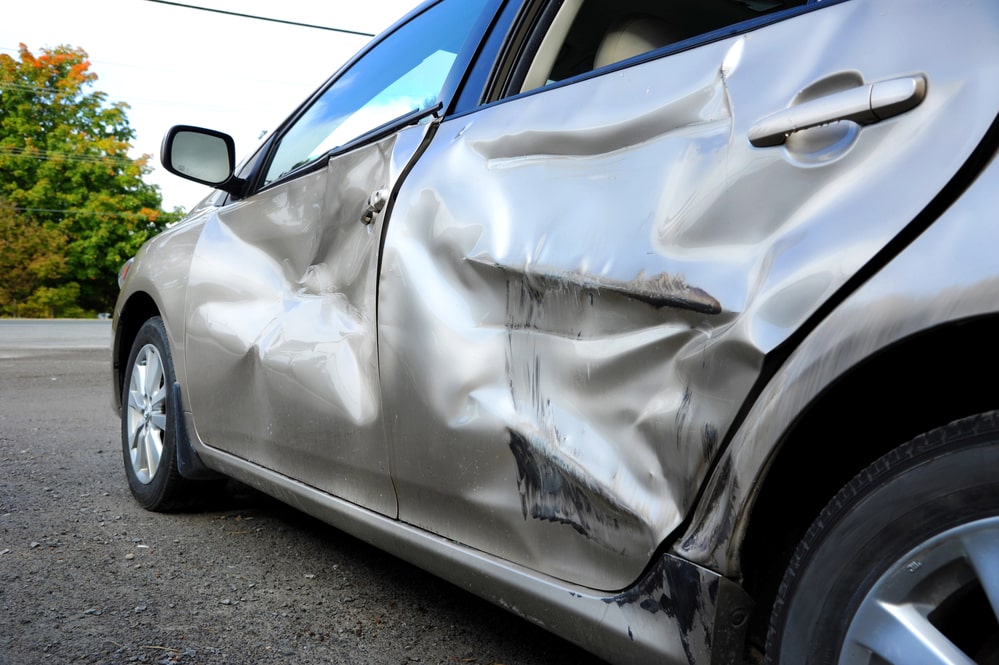
Every driver in Oklahoma must carry a minimum level of auto insurance, but that minimum was never designed to cover a genuinely serious crash. Understanding the gap between what the law requires and what a serious injury actually costs matters when evaluating a claim.
Oklahoma’s Minimum Liability Insurance Requirements
Under 47 O.S. Section 7-204, Oklahoma drivers must carry liability coverage of at least $25,000 per injured person, $50,000 total per accident, and $25,000 for property damage, commonly summarized as 25/50/25 coverage.
Why This Minimum Often Falls Short
A single hospital stay, surgery, or course of physical therapy can exceed the $25,000 per person limit well before treatment is finished. Once lost wages and long-term care needs are factored in, the state’s minimum requirement frequently covers only a fraction of what a serious injury actually costs.
Why Uninsured Motorist Coverage Matters So Much Here
Oklahoma requires insurers to offer uninsured motorist coverage as part of every auto policy, though a policyholder can reject it in writing. This coverage becomes the primary path to recovery when the at-fault driver has no insurance at all, filling a gap that the minimum liability requirement does not address.
How Underinsured Motorist Coverage Fills A Different Gap
Underinsured motorist coverage serves a related but separate purpose, stepping in when the at-fault driver carries some insurance but not enough to cover the full extent of a serious injury. Without this coverage, an injured driver has no additional recourse once the at-fault driver’s minimal policy limits are exhausted.
Why A Rejection Of This Coverage May Not Always Be Valid
Because Oklahoma law imposes specific requirements for a valid rejection of uninsured motorist coverage, a policy that appears to lack this protection sometimes still provides it if the original rejection did not meet those requirements. Polchinski & Smith Personal Injury Lawyers reviews rejection paperwork closely in every case where coverage seems to be missing. Reviewing the actual paperwork behind a policy matters before assuming no coverage exists.
What Documentation Helps Identify Every Available Policy
Because more than one insurance policy may apply to a single crash, gathering the right information early helps map out every potential source of recovery:
- The at-fault driver’s insurance information from the police report
- A copy of your own auto policy, including uninsured and underinsured motorist provisions
- Any signed rejection or selection forms related to uninsured motorist coverage
- Details of any commercial vehicle or employer involvement in the crash
Applying This Framework To An Oklahoma City Car Accident
Because the state’s minimum coverage requirement often falls short of a serious injury’s true cost, identifying every applicable policy early shapes how much a claim can ultimately recover. An Oklahoma City car accident lawyer can review every insurance policy connected to a crash, including uninsured and underinsured motorist coverage.
What If The At-Fault Driver Has No Insurance At All
If the at-fault driver has no coverage whatsoever, an injured driver’s own uninsured motorist coverage, if purchased, becomes the primary path to recovery. An Oklahoma City car accident lawyer can help evaluate what coverage applies and how to pursue it when the at-fault driver cannot pay.
Oklahoma’s minimum insurance requirement was never designed to fully cover a serious crash, which is exactly why identifying every applicable policy matters so much. If you were hurt in a car accident in Oklahoma City and are concerned about insufficient coverage, reach out to our office to go over what policies may apply to your situation.



