




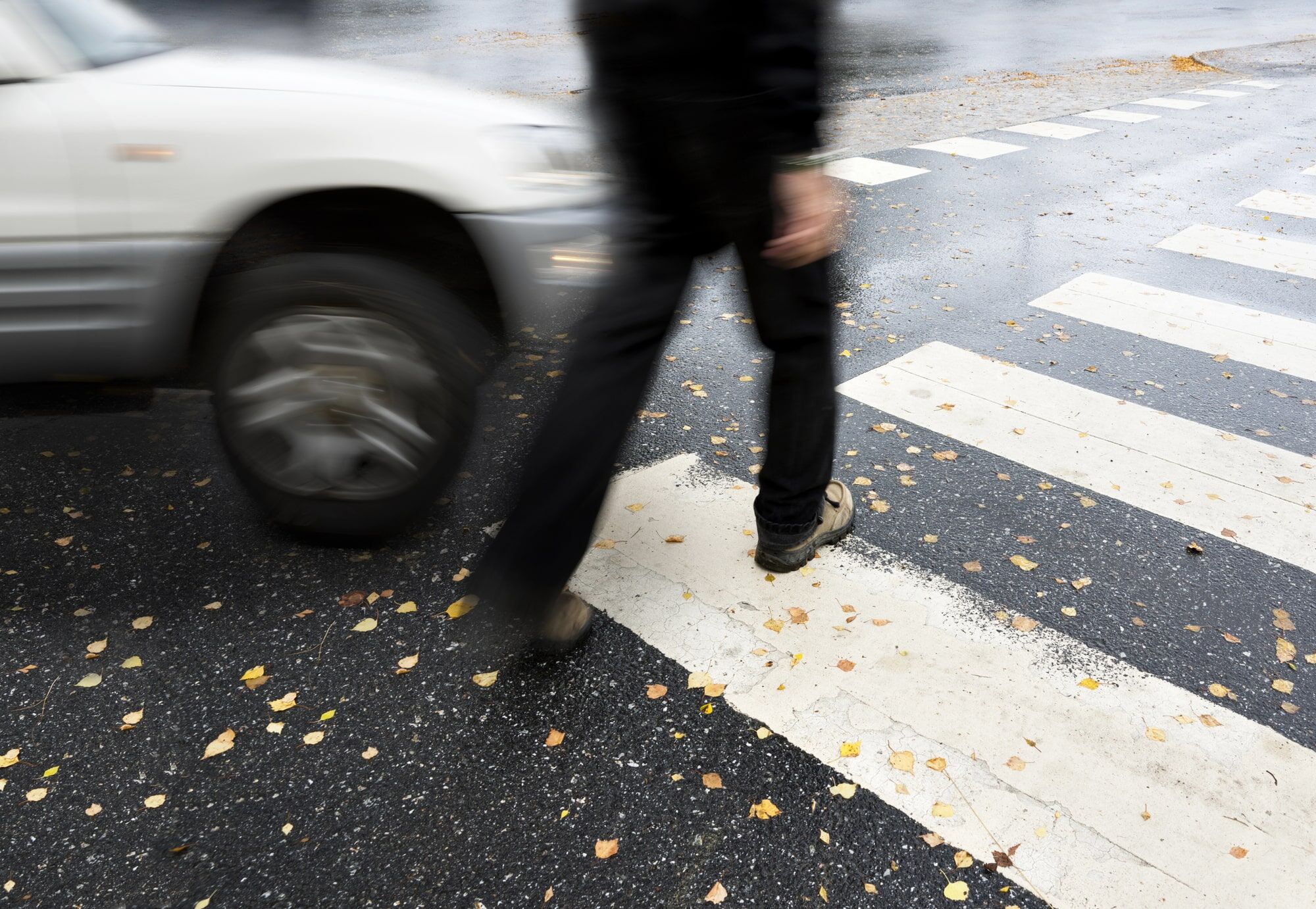
Being hit in a crosswalk feels like it should be an open-and-shut case. You were in the crosswalk. The driver hit you. But Oklahoma law does not automatically assign full fault to the driver, and understanding why matters if you plan to pursue a claim.
Oklahoma Gives Pedestrians the Right of Way, With Conditions
Oklahoma law requires drivers to yield to pedestrians in marked and unmarked crosswalks at intersections. That protection is real, and drivers who ignore it can be held liable. Under Oklahoma’s pedestrian right-of-way statutes, both drivers and pedestrians carry defined responsibilities at intersections.
However, the right of way is not unconditional. A pedestrian cannot suddenly step off a curb into the path of an oncoming vehicle that has no reasonable chance to stop. When that happens, shared fault becomes a serious issue.
When the Driver Carries Fault
In most crosswalk accidents, driver negligence is the primary factor. Common reasons a driver may be found at fault include:
- Running a red light or stop sign
- Failing to yield at a marked crosswalk
- Distracted driving, including phone use
- Speeding through an intersection
- Driving under the influence of alcohol or drugs
- Turning without checking for pedestrians
Any one of these behaviors can shift significant fault onto the driver. If multiple factors are present, the driver’s share of liability becomes even harder to dispute.
When a Pedestrian Can Share Fault
Oklahoma follows a modified comparative negligence standard. Under this rule, you can still recover damages as long as you are not more than 50% at fault for the accident. Your recovery is reduced by your percentage of fault.
If a pedestrian crossed against a signal, was distracted by a phone, or stepped out from between parked cars without looking, a defense attorney will likely argue shared fault. That argument does not automatically kill a claim, but it does affect the outcome.
Polchinski & Smith Personal Injury Lawyers handles pedestrian accident cases throughout Oklahoma and knows how insurers use comparative fault arguments to reduce payouts. Understanding this early gives you a clearer picture of what your case is actually worth.
What Determines Fault After a Crosswalk Accident
Several factors go into any fault analysis. Investigators and attorneys typically look at:
- Traffic camera or surveillance footage
- Witness statements from the scene
- Police reports and any cited violations
- Road design and visibility conditions
- Whether signals were functioning properly at the time
Physical evidence disappears quickly. Getting legal help early means someone is working to preserve what is available before it is gone.
How Fault Affects Your Injury Claim
Even if you share some fault, you may still recover compensation for medical bills, lost wages, and pain and suffering. The key is making sure your percentage of fault is accurately assessed, not inflated by an insurer trying to minimize what they pay.
Insurance companies are experienced at shifting blame. A driver’s insurer has no obligation to treat you fairly, and they often do not. An Edmond pedestrian accident lawyer can review the facts of your accident, identify all liable parties, and build a claim that accounts for the full scope of your injuries and losses.
Take the Next Step After a Crosswalk Accident
Crosswalk accidents leave victims dealing with serious injuries, mounting bills, and a lot of unanswered questions. If you or someone you love was struck in a crosswalk in Oklahoma, reach out to an Edmond pedestrian accident lawyer to understand your rights and options before speaking with any insurance company.


