




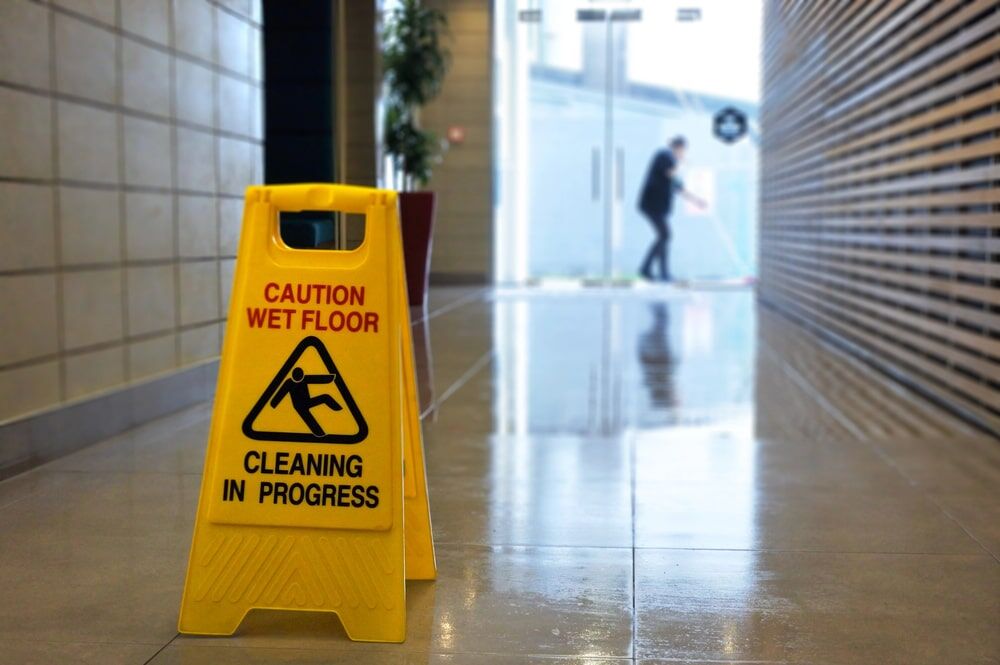
Slip and fall cases look simple from the outside. You fell on someone’s property, you got hurt, they should pay. But that’s not actually how the law works, and I’ve seen people walk away from valid claims because they didn’t understand what they actually needed to prove.
Getting hurt on someone’s property isn’t enough. You have to show the property owner was negligent. Those aren’t the same thing.
What You Actually Have to Establish
Oklahoma premises liability law requires an injured person to prove four things. The property owner owed you a duty of care. They breached that duty. You were injured. And their breach caused your injury.
Every element matters. Miss one and the claim falls apart regardless of how badly you were hurt.
The duty element depends on why you were there. Customers in a store, guests in a home, patrons at a restaurant, these are invitees, and property owners owe them the highest duty of care under Oklahoma law. That means taking reasonable steps to inspect the property, identify hazards, and either fix them or warn people about them.
The Hardest Part: Proving They Knew
This is where most slip and fall cases actually get contested. You have to show the property owner knew about the hazard, or should have known about it through reasonable inspection, and failed to do anything about it.
Actual knowledge is the cleaner case. If there’s an incident report showing the wet floor was reported two hours before you fell, that’s actual knowledge. If a store employee walked past the hazard three times and didn’t address it, that’s actual knowledge. Documents, surveillance footage, and employee testimony can all establish this.
Constructive knowledge is harder but often provable. Courts ask whether the condition existed long enough that a reasonably attentive property owner should have discovered and addressed it. A puddle that’s been there for five minutes is different from one that’s been there for two hours. Dried debris tracked across a floor suggests the hazard wasn’t recent. These factual details matter enormously.
Under Oklahoma Statute Title 76, Section 1, property owners are required to exercise ordinary care to keep their premises in a reasonably safe condition for those they invite onto the property. That’s the legal standard your claim gets measured against.
What Evidence Actually Makes the Difference
The evidence you gather, and how quickly you gather it, shapes everything.
Photographs taken at the scene before anything changes are invaluable. The condition of the hazard, the lighting, the presence or absence of warning signs, the location relative to where employees or staff would normally be. All of it matters.
Surveillance footage is often critical and disappears fast. Many businesses overwrite their security footage within 24 to 72 hours. If there’s any chance footage captured the hazard or your fall, a preservation letter needs to go out immediately. Waiting a week to think about it means the footage is gone.
Incident reports filed with the property owner create a contemporaneous record that’s hard to dispute later. If you reported the fall to someone on site, make sure a report was filed and get a copy.
Witnesses who saw the hazard before you fell, or who can speak to how long it had been there, can be the difference between winning and losing a constructive knowledge argument. Get their contact information before they leave the scene.
Medical records connect your injuries to the fall. Gaps in treatment or delays in seeking care give insurers room to argue the injuries weren’t serious or weren’t caused by the fall. See a doctor promptly and follow your treatment plan consistently.
The Comparative Fault Problem
Oklahoma follows a modified comparative fault system. If the property owner’s attorney can argue you were partially responsible for the fall, maybe you were distracted, maybe you ignored a warning sign, maybe you were wearing inappropriate footwear, your damages get reduced proportionately.
At 51% or more fault, you recover nothing.
Insurers raise contributory conduct arguments in almost every slip and fall case. Expecting it and having evidence that counters it is part of building a strong claim.
What the Open and Obvious Doctrine Means for Your Case
Property owners frequently argue the hazard was open and obvious, meaning you should have seen it and avoided it. Oklahoma courts don’t automatically accept that defense, but it can reduce or eliminate recovery when it applies.
The analysis is fact-specific. A hazard that was visible but unavoidable, like ice covering the only entrance to a building, is treated differently than one a reasonable person clearly could have walked around. The circumstances matter, and so does whether the property owner took any steps to address a known hazard even if it was visible.
Getting the Claim Right From the Start
Slip and fall cases aren’t simple. The evidence is time-sensitive, the legal elements require specific proof, and insurers fight these claims hard. Getting legal guidance early, ideally before you’ve had any significant communication with the property owner’s insurer, puts you in the best position to build a claim that actually holds up.
Polchinski & Smith Personal Injury Lawyers works with slip and fall victims throughout the Edmond area on premises liability claims. If you were hurt on someone else’s property and want to understand what proving negligence actually requires in your situation, talking with an Edmond slip and fall lawyer is the right place to start.


